
Fig Tree, Anjeer Fruit, Common Fig Fruit - Plant
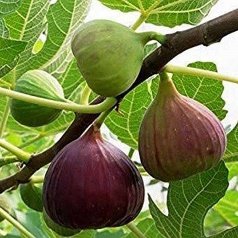
Fig Tree, Anjeer Fruit, Common Fig Fruit - Plant
Rs.399
The Fig Tree, scientifically known as *Ficus carica*, is a deciduous tree that produces the delicious Anjeer fruit, also known as the Common Fig. This ancient fruit has been cultivated for thousands of years, dating back to the Mediterranean region. With its sweet, succulent flesh and unique texture, the fig is not only a culinary delight but also a powerhouse of nutrients, rich in fiber, vitamins, and antioxidants.
What makes the Fig Tree special is its adaptability to various climates and soil types, making it a favorite among gardeners and farmers alike. Its lush green leaves provide ample shade, while the fruit is a staple in many diets around the world. The fig tree is also known for its historical significance, being mentioned in various ancient texts, including the Bible, symbolizing prosperity and peace.
One of the standout features of the Fig Tree is its ability to produce fruit in a variety of conditions. It thrives in warm climates and can even tolerate drought, making it an environmentally friendly choice for sustainable gardening. Additionally, the fig tree supports local ecosystems by attracting pollinators and providing habitat for various wildlife.
What makes the Fig Tree special is its adaptability to various climates and soil types, making it a favorite among gardeners and farmers alike. Its lush green leaves provide ample shade, while the fruit is a staple in many diets around the world. The fig tree is also known for its historical significance, being mentioned in various ancient texts, including the Bible, symbolizing prosperity and peace.
One of the standout features of the Fig Tree is its ability to produce fruit in a variety of conditions. It thrives in warm climates and can even tolerate drought, making it an environmentally friendly choice for sustainable gardening. Additionally, the fig tree supports local ecosystems by attracting pollinators and providing habitat for various wildlife.
Realted Products
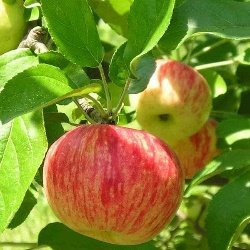
Apple, Seb - Plant
Rs.459
Follow Us